
What Influences the Cost of Removing a Tree?
Multiple variables affect how much you will pay to have a tree removed from your property. Understanding these factors helps you anticipate costs and avoid surprises when requesting quotes.
Tree size stands as the most significant pricing factor. Small trees under 30 feet typically cost less to remove than larger specimens. Medium trees between 30 and 60 feet require more labor and equipment, while large trees exceeding 60 feet demand specialized rigging and safety measures that increase expenses substantially.
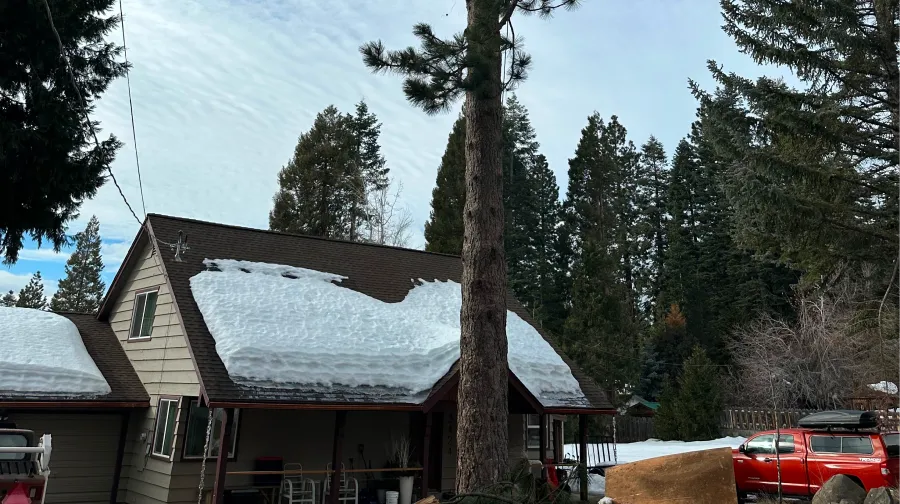
Location and accessibility directly impact labor hours and equipment needs. Trees near structures, power lines, or fences require careful planning and controlled dismantling. Limited access to your property may necessitate smaller equipment or manual labor, which extends the timeline and raises the final bill. In Westwood, properties with narrow driveways or steep terrain often face higher costs due to these accessibility challenges.
Tree condition also plays a role in pricing. Dead or diseased trees may be more dangerous to remove due to unpredictable behavior during cutting. Conversely, healthy trees with strong wood may require more powerful equipment to section and process. Emergency removals following storms typically carry premium pricing due to urgency and potential hazards.
Typical Price Ranges You Can Expect
Pricing for tree removal varies widely based on the factors mentioned above, but general ranges can help you budget appropriately for your project.
Small tree removal typically costs between $200 and $500. These projects involve trees under 30 feet in height with trunk diameters less than 15 inches. The work usually takes a few hours and requires minimal equipment. Small ornamental trees or young specimens fall into this category.
Medium tree removal generally ranges from $500 to $1,200. These trees measure between 30 and 60 feet tall with trunk diameters between 15 and 25 inches. Removing medium trees requires more planning, additional crew members, and potentially a bucket truck or crane for safe dismantling. Many mature landscape trees in residential settings fall within this size range.
Large tree removal costs between $1,200 and $3,000 or more. Trees exceeding 60 feet in height or 25 inches in diameter demand specialized equipment, extensive rigging, and experienced crews. Old growth pines, mature oaks, and tall conifers common throughout northern California often require these higher investment levels. Properties in forested areas around Lake Almanor frequently contain trees in this category that need removal for fire safety or structural concerns.
Additional services increase the total investment. Stump grinding typically adds $100 to $400 depending on stump size and root complexity. Wood chipping, hauling debris, and limb removal from multiple trees each carry separate charges that should be discussed during the estimate process.
How to Get Accurate Estimates
Obtaining accurate estimates requires providing complete information about your project and asking the right questions during the evaluation process.
Request on-site assessments rather than phone quotes whenever possible. Visual inspection allows the service provider to evaluate tree condition, assess access limitations, identify potential hazards, and recommend the safest approach. Photos can supplement initial conversations but should not replace an in-person visit for significant projects.
Gather multiple estimates from different providers to compare pricing and approaches. Three quotes typically provide sufficient data to identify reasonable pricing without overwhelming yourself with options. When comparing estimates, verify that each includes the same scope of work. One estimate might include stump grinding and debris removal while another charges these as separate line items.
Ask detailed questions about what the estimate covers. Clarify whether the price includes cleanup, haul-away, stump grinding, and any necessary permits. Understand the payment schedule and whether deposits are required. Inquire about insurance coverage and verify that the company carries both liability insurance and workers’ compensation to protect you from potential claims.
Discuss timing and scheduling during the estimate process. Some seasons may offer better availability or pricing, particularly during slower periods. However, hazardous trees should never wait for a discount. Understanding the proposed timeline helps you plan around the disruption and ensures the work fits your schedule.
Ways to Maximize Your Investment
Strategic planning and smart decisions help you get the best value from your tree removal investment without compromising safety or quality.
Bundle multiple trees into a single project when possible. Service providers often offer better per-tree pricing when removing several trees during one visit because mobilization costs are spread across more work. If you have identified several trees that need attention, scheduling them together typically costs less than addressing them individually over time.
Consider keeping usable wood if you have a fireplace or wood stove. Many services charge less when they can leave cut logs on your property rather than hauling and disposing of the material. Firewood represents a tangible return on your investment, particularly in areas like Westwood where winter heating needs make seasoned wood valuable.
Time your project strategically when urgency allows. Late fall through early spring often represents slower seasons for tree services, and some providers offer better rates during these periods. However, never delay removing a dangerous tree simply to save money. The risk to your property and safety far outweighs any potential savings.
Maintain your remaining trees to prevent future removal costs. Regular pruning, disease monitoring, and proper watering extend tree life and reduce the likelihood of costly emergency removals. Investing in preventive care typically costs less than dealing with failures after they occur.
Working with experienced local providers who understand regional tree species and seasonal patterns ensures appropriate recommendations. Services familiar with Westwood’s climate, common pests, and fire safety requirements provide better value through informed decision-making and efficient work practices.
Choosing the Right Service Provider
Selecting a qualified service provider matters as much as understanding costs. The right company delivers value through safety, efficiency, and quality workmanship that protects your property.
Verify credentials and insurance before making your decision. Legitimate tree services carry liability insurance and workers’ compensation coverage. Ask for proof of insurance and confirm coverage is current. This protection shields you from financial responsibility if accidents occur on your property during the work.
Review experience and references to gauge reliability. Companies with established track records in your area understand local conditions and have demonstrated their ability to deliver results. References from neighbors or friends provide firsthand accounts of service quality, communication, and professionalism.
Evaluate equipment and methods during your assessment. Modern, well-maintained equipment indicates a company that invests in their operation and prioritizes efficiency. Discuss the planned approach to your specific project and ask questions if anything seems unclear or unsafe.
Consider local knowledge and responsiveness. Providers familiar with Westwood and surrounding areas understand the unique challenges of working in mountainous terrain, recognize regional tree species and their characteristics, and appreciate local fire safety concerns that influence tree management decisions. This familiarity translates to better recommendations and more efficient service delivery.
For property owners throughout Lassen and Plumas counties seeking reliable tree removal services, experienced local providers offer the combination of knowledge and capability needed to handle projects safely and efficiently. Whether you need a single hazardous tree removed or are planning comprehensive property management for wildfire prevention, choosing a service with deep roots in the community ensures you receive appropriate guidance and quality results. Professional tree care protects your investment while maintaining the natural beauty that makes this region distinctive. To explore tree care solutions tailored to your property, schedule an assessment with qualified professionals who understand your specific needs and local conditions.
